Places to visit across the province, from published records. Each page states its sources and what still needs confirmation by the Provincial Tourism Office.
A protected mountain ridge on the Pujada Peninsula inscribed on the UNESCO World Heritage List in 2014 under natural criterion (x). UNESCO records an elevation range of 75 to 1,637 metres and habitat for threatened and endemic plants and animals, eight of which are found only here.
A long, multi-tiered cascade on the upper Cateel River system in the municipality of Cateel, beside the highway linking Cateel with Compostela in Davao de Oro. It lies within the Aliwagwag Protected Landscape, established by presidential proclamation in 2011.
A long, crescent-shaped white-sand beach in Barangay Dahican, City of Mati, facing the Pacific. The provincial tourism office describes it as known for skimboarding, surfing and diving.
A promontory in Barangay Santiago, Caraga, described as the easternmost point of the Philippines. It drew national attention during the millennium celebrations as the first place in the country to see the sunrise.
The cape at the southern tip of the Pujada Peninsula in Governor Generoso, where the Davao Gulf meets the Pacific Ocean. Three lighthouses of different periods stand on its crest, and a rock formation known as 'The Altar' is linked by local tradition to St. Francis Xavier.
The provincial museum in the City of Mati. It presents the natural and cultural heritage of Davao Oriental - marine, terrestrial and cultural - and the province's experience of Typhoon Pablo (Bopha).
The bay on which the City of Mati stands, enclosed by the Pujada and Guanguan peninsulas. It is a protected landscape and seascape and, according to the provincial government, a member of the Most Beautiful Bays in the World club.
A promontory on the western shore of Pujada Bay whose outline resembles a reclining dinosaur. It is viewed from a roadside overlook on the highway approaching Mati.
The Roman Catholic parish church of Caraga, a stone-and-wood mission church completed in 1884 and described by the provincial government as Mindanao's oldest church. It was restored by the National Historical Commission of the Philippines and reopened in July 2020.
A protected watershed forest in Mati that supplies the city's waterworks system. It was first proclaimed a watershed forest reserve in 1967 and reclassified as a protected landscape in 2005.

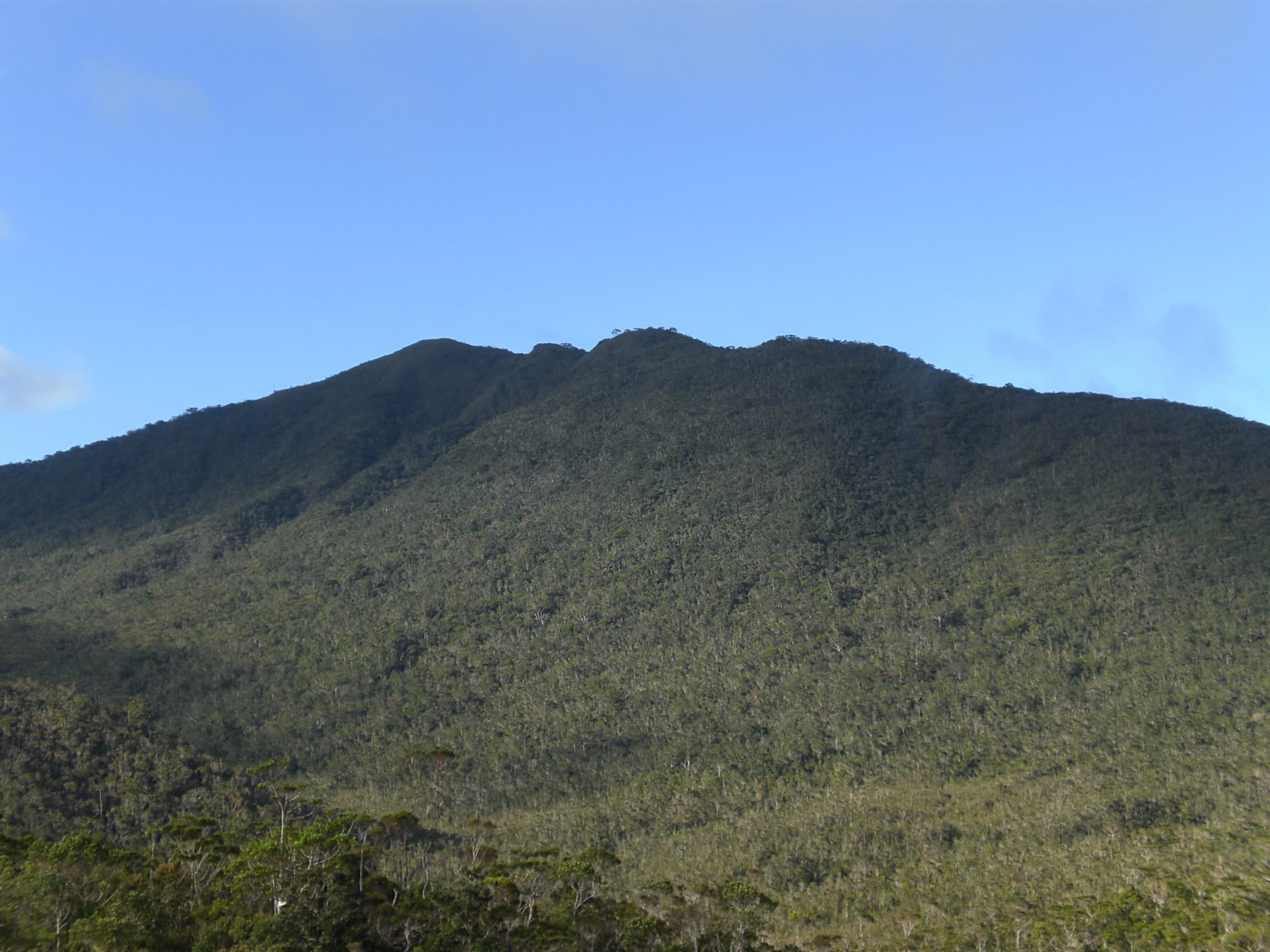 Nature and ecotourism · Mountains and waterfallsMount Hamiguitan Range Wildlife SanctuarySan Isidro6.7172° N, 126.1734° E
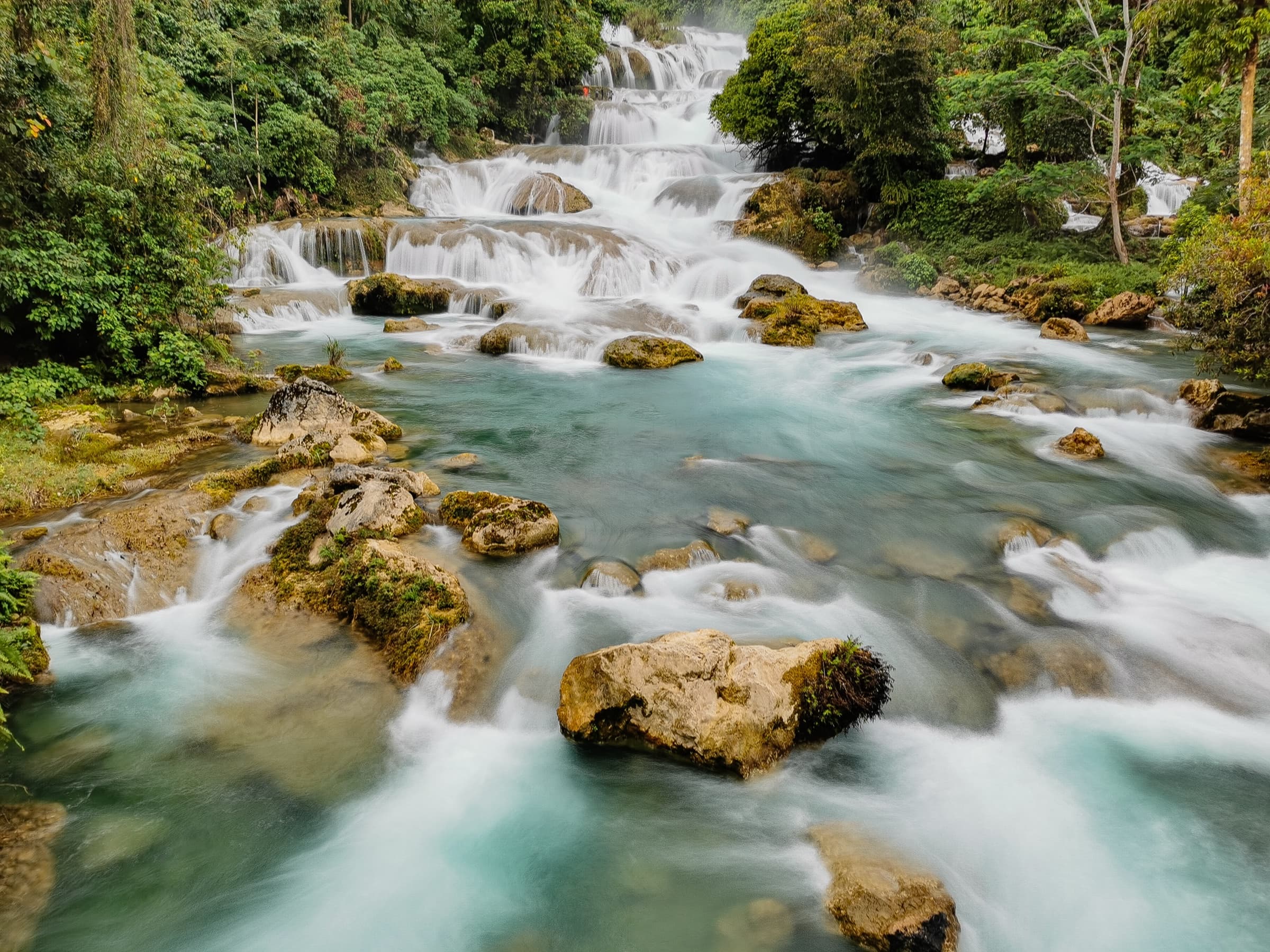 Mountains and waterfalls · Nature and ecotourismAliwagwag FallsCateel7.7431° N, 126.2989° E
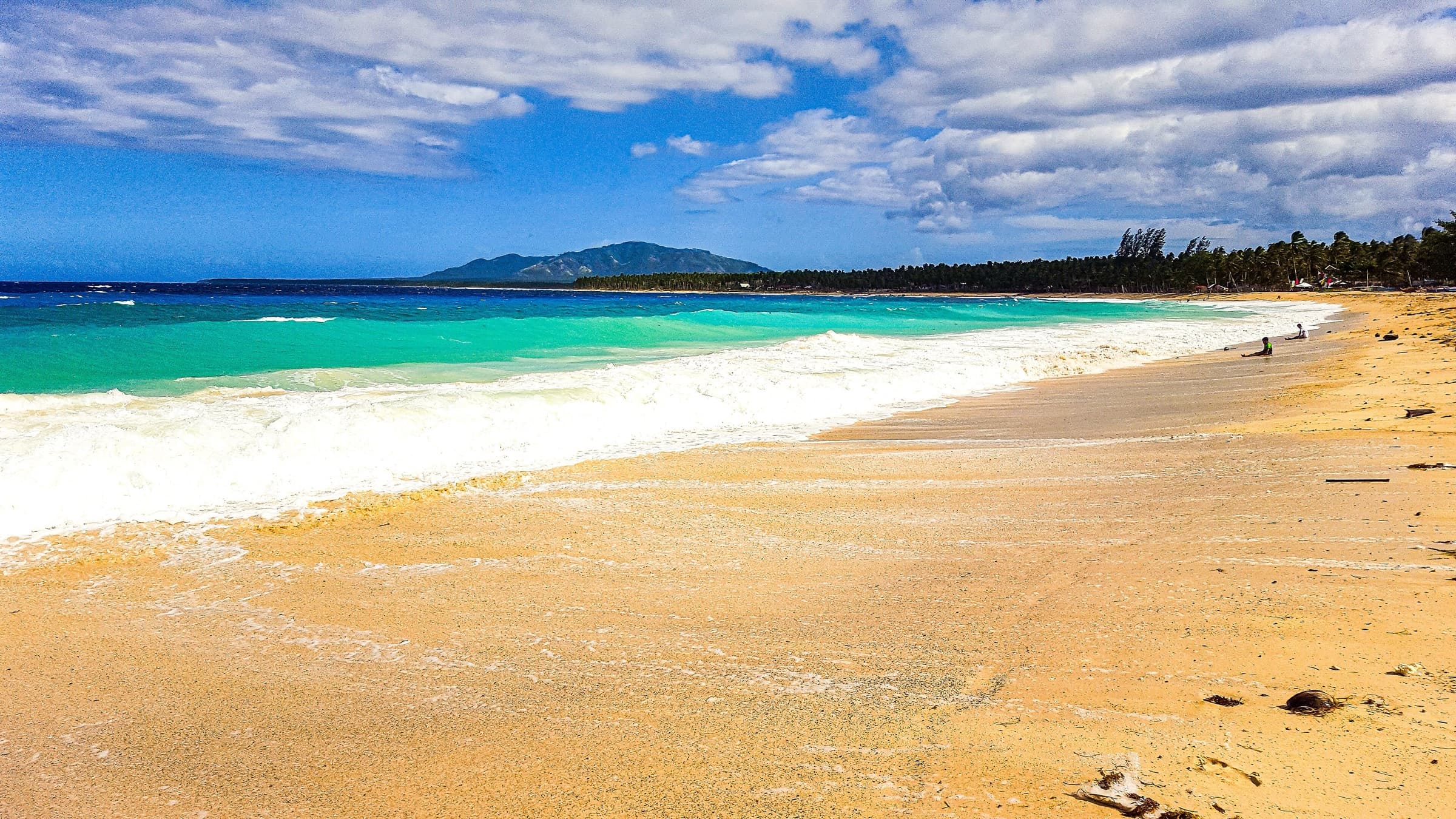 Beaches and coastal destinations · Adventure tourismDahican BeachCity of Mati6.9243° N, 126.2809° E
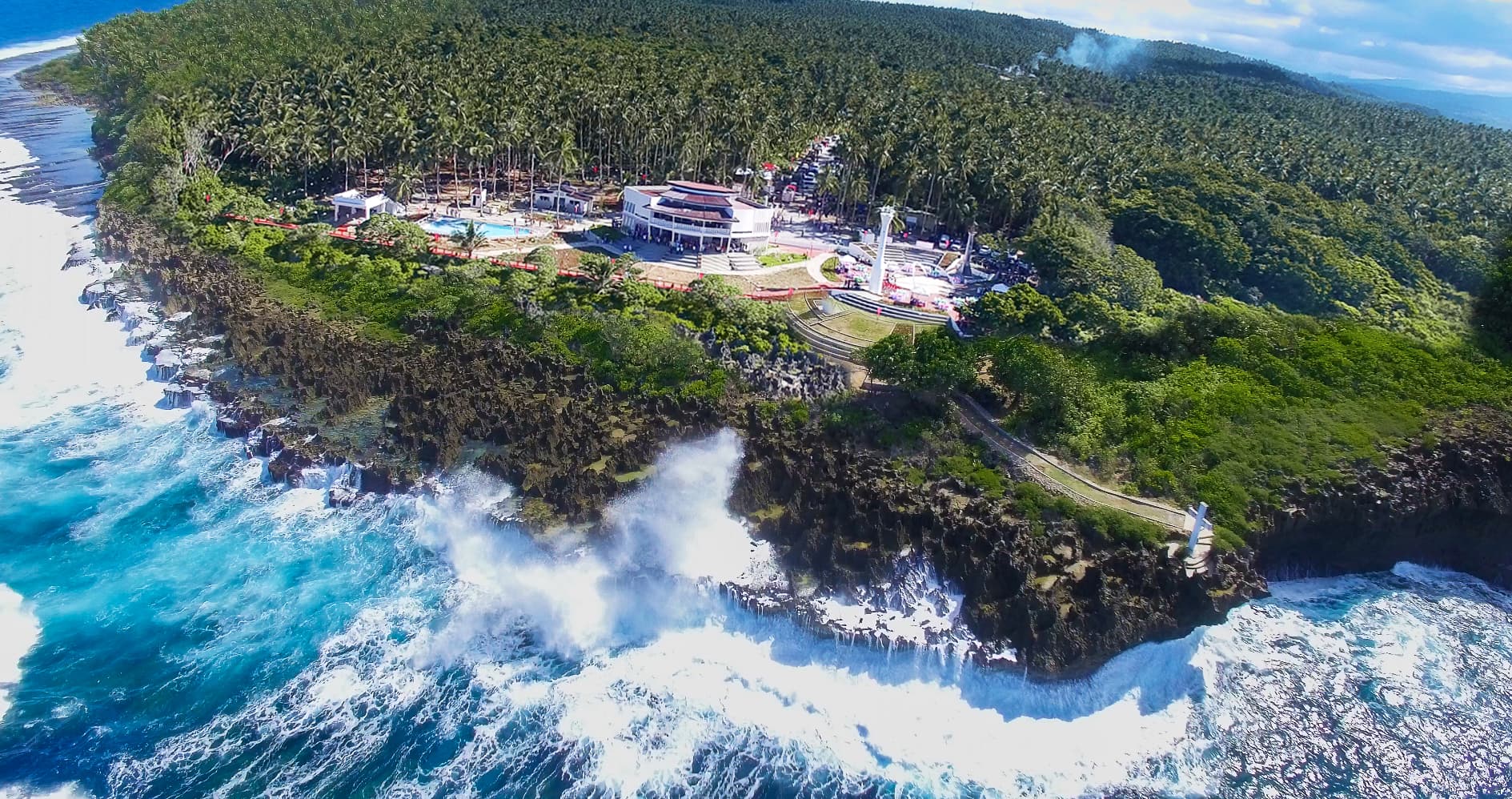 Nature and ecotourism · Beaches and coastal destinationsPusan PointCaraga7.2933° N, 126.6044° E
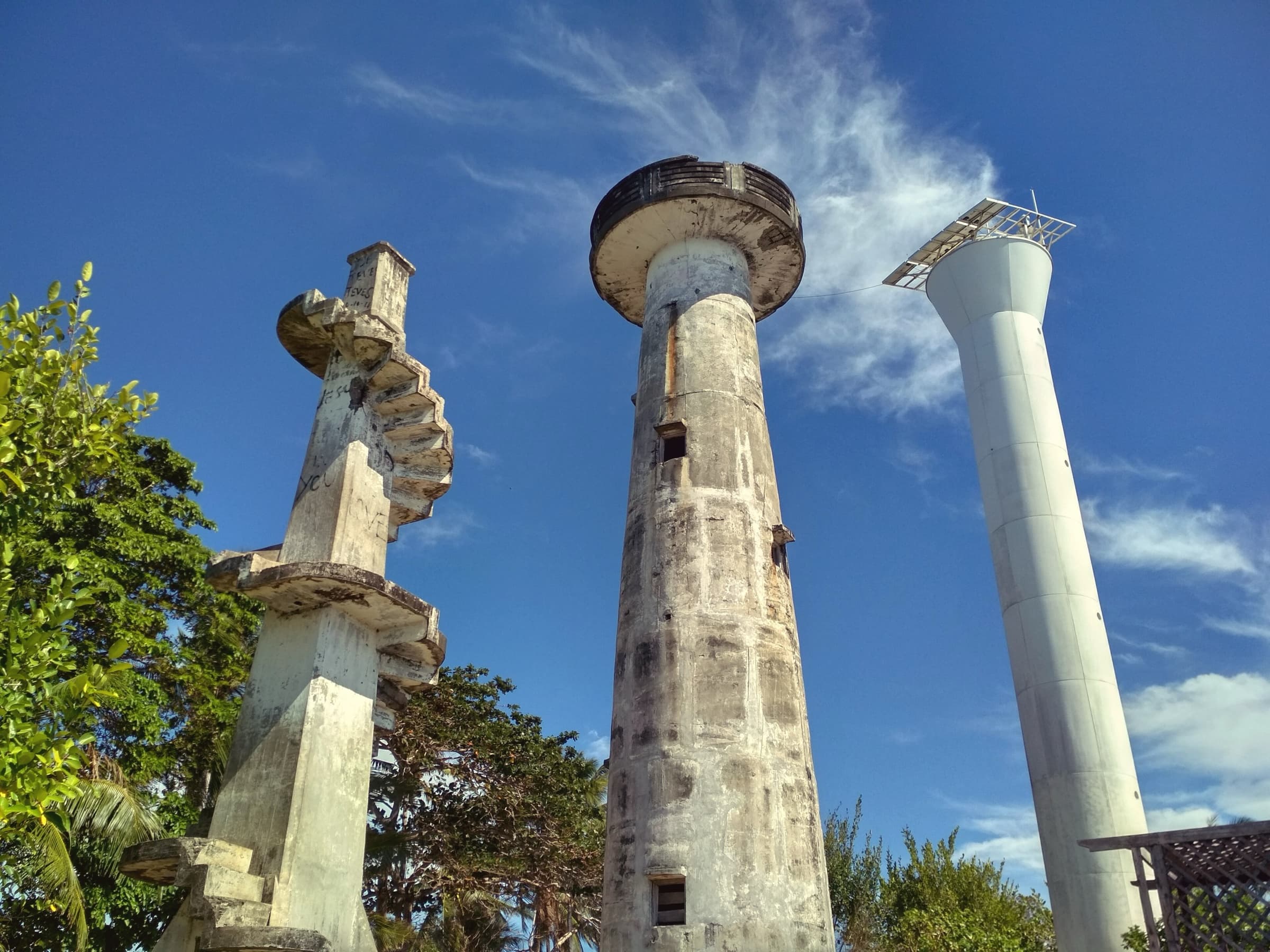 Beaches and coastal destinations · Culture and heritageCape San AgustinGovernor Generoso6.2693° N, 126.1930° E
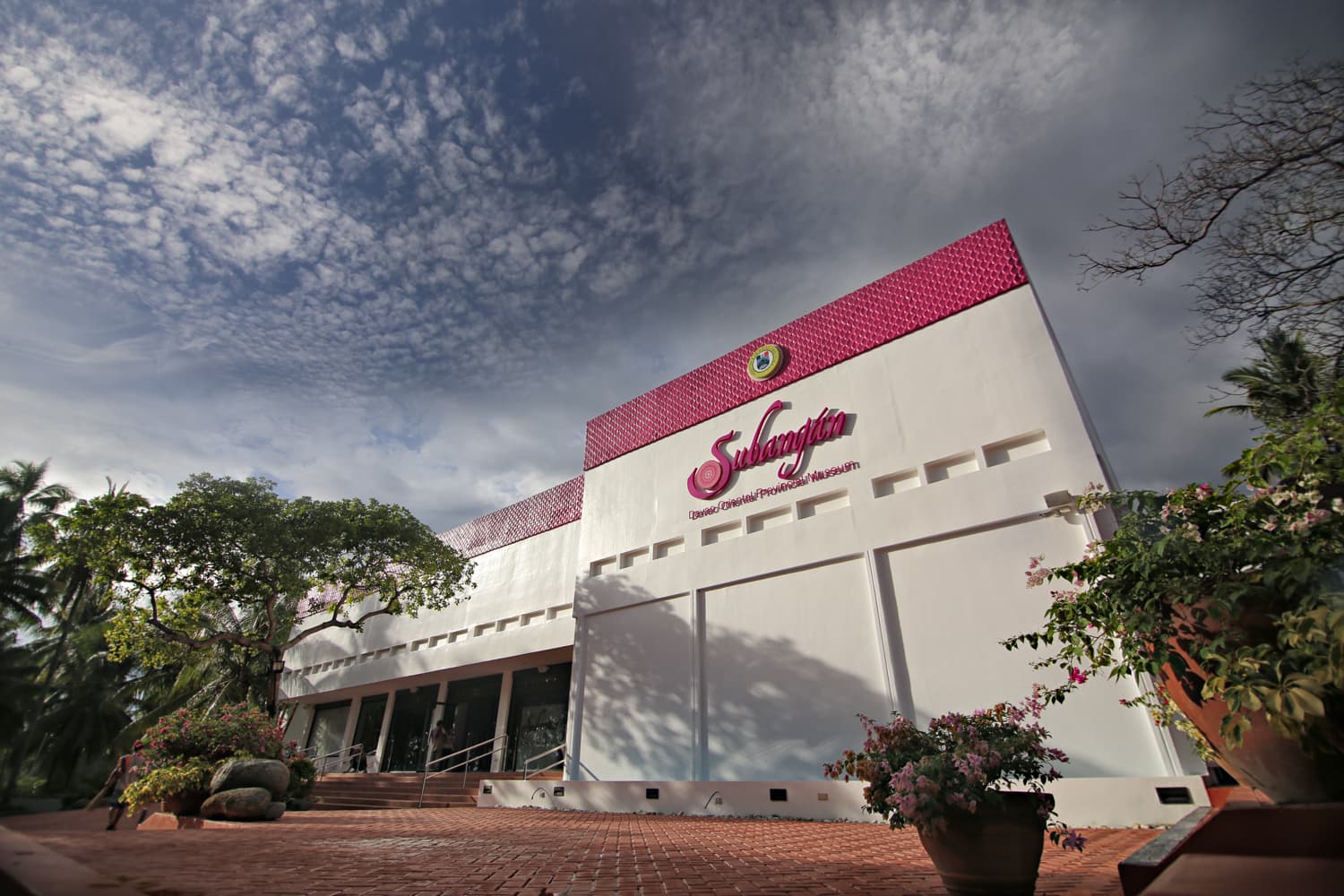 Culture and heritage · Indigenous cultural experiencesSubangan - Davao Oriental Provincial MuseumCity of Mati6.9443° N, 126.2483° E
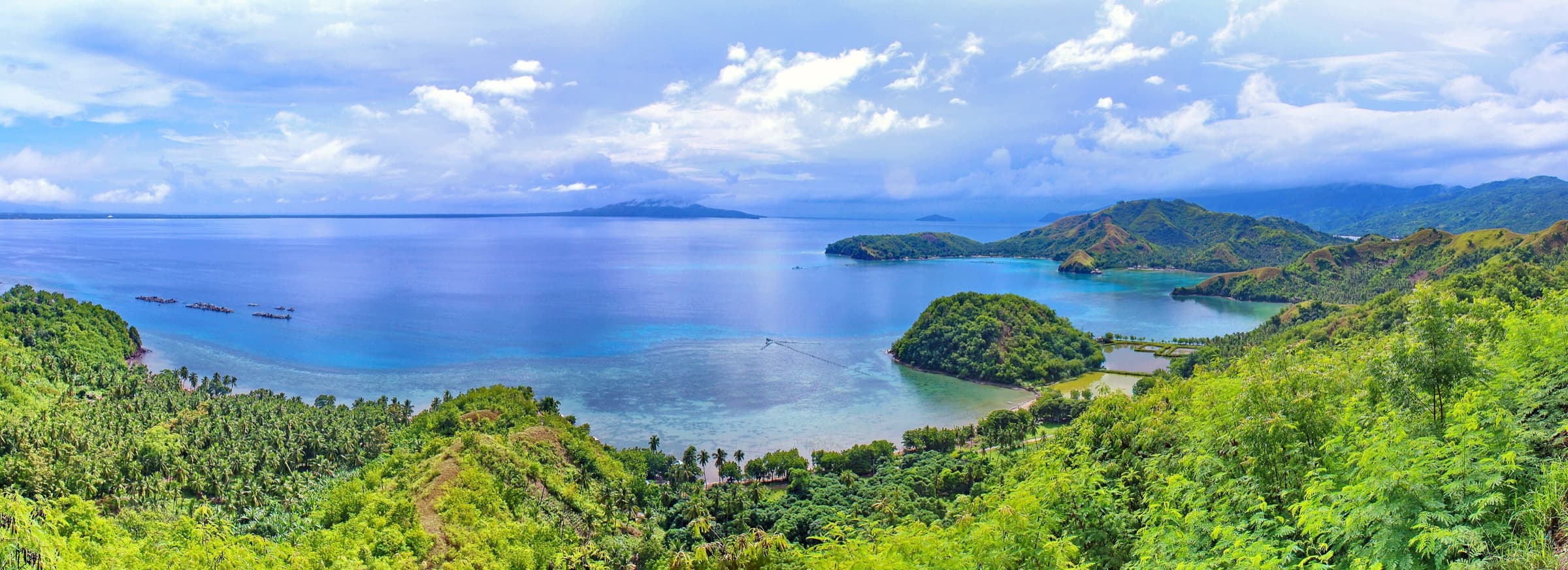 Beaches and coastal destinations · Nature and ecotourismPujada BayCity of Mati6.8914° N, 126.2272° E
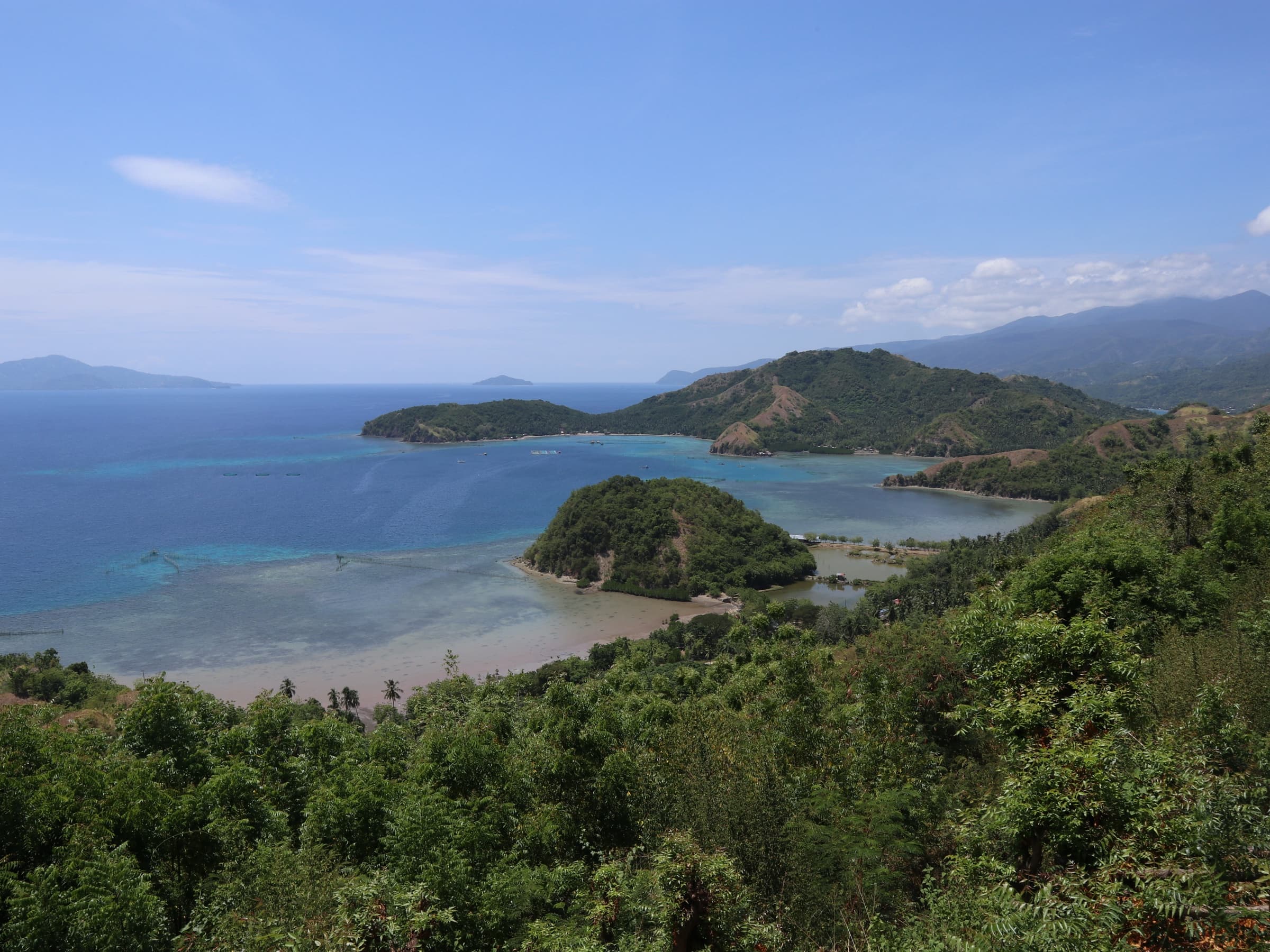 Nature and ecotourism · Beaches and coastal destinationsSleeping DinosaurCity of Mati6.8902° N, 126.1802° E
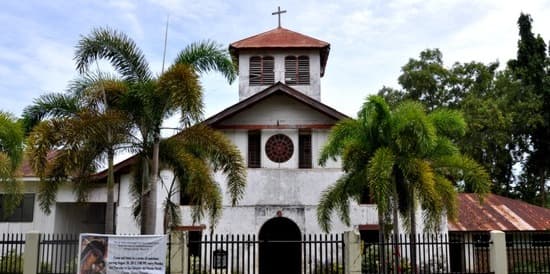 Culture and heritageSan Salvador del Mundo Church (Caraga Church)Caraga7.3277° N, 126.5659° E